
Your warehouse team probably knows where the bottleneck is. The question is whether the management team is listening.
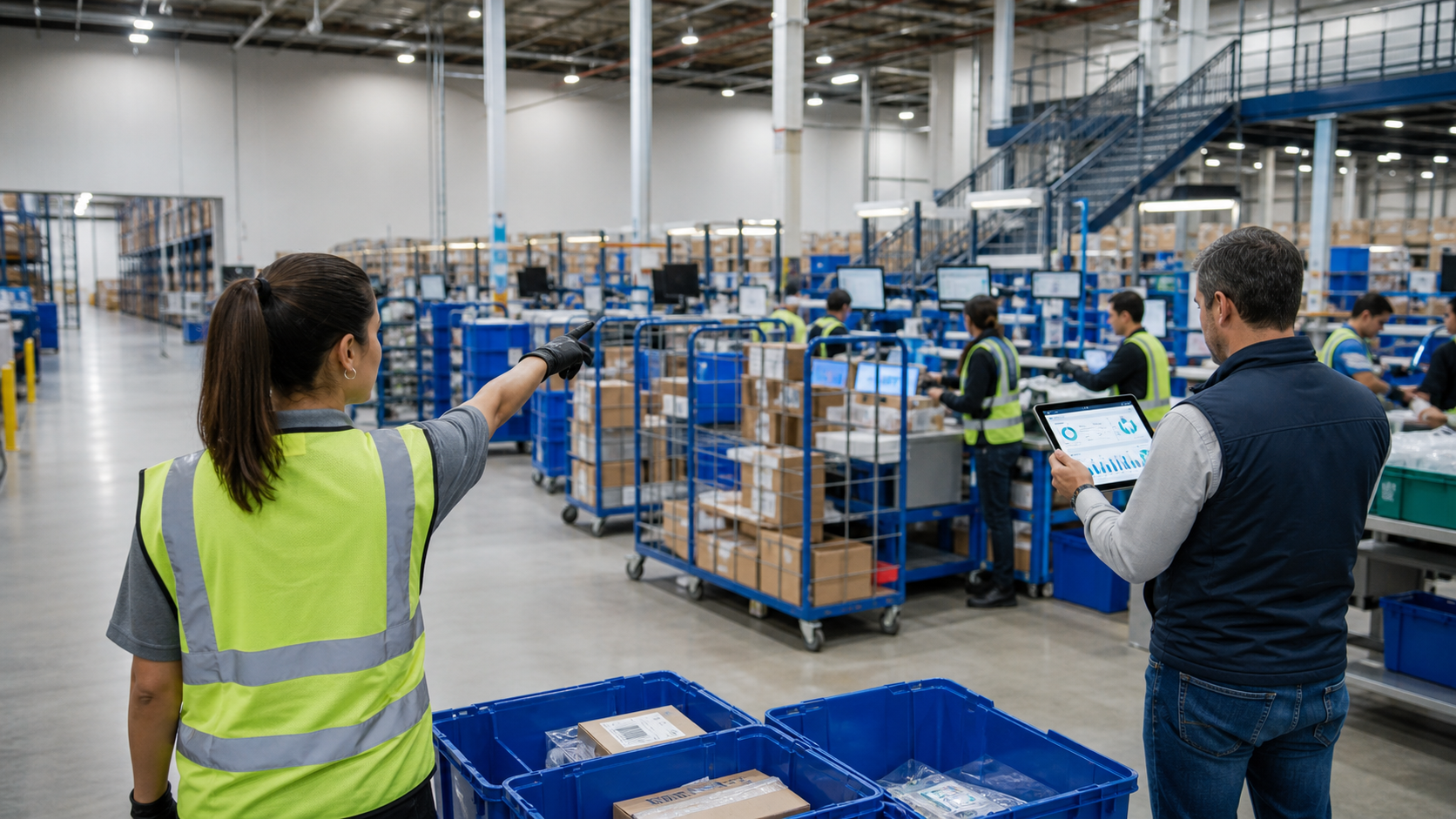
Dashboards show the result. Supervisors explain it. Consultants redesign the process. Technology vendors recommend the next system. But the people working inside the process every day often see the cause first.
Critical details rarely appear in monthly KPI reports
- SKU locations that create unnecessary walking
- Places where multi-order carts repeatedly block each other
- Scans that fail often enough to create rework
- Areas where picked items wait before consolidation
- “Temporary” workarounds that became daily routine
- Tasks that look easy on paper but fail during a peak shift
When this knowledge never reaches improvement decisions, a dangerous gap appears. Automation may improve the measured process while leaving the real friction untouched.
Ask four questions before changing equipment or software
- Where do you lose the most time?
- Which step do you repeat most often?
- What workaround do you use outside the standard process?
- What would you remove if you could change one thing tomorrow?
Good automation makes the right process easier to follow
Warehouse automation is not only about moving faster. It should remove unnecessary decisions, reduce repeated touches, and make the correct workflow easier for the people doing the work. Scanning, visual guidance, order status visibility, and exception isolation all reduce the friction frontline teams solve every shift.
The most valuable improvement idea may not come from a conference, software demo, or consultant slide deck. It may come from the person who has been solving the same problem every shift for two years.
Make consolidation and exceptions easier to see
BDAITEC HummiSort Smart Put Wall combines scanning, visual guidance, and order-status management to reduce repeated decisions and rework.
Explore HummiSort